
Chemical-Free Ways to Keep Weeds and Pests Out of Your Garden This Summer
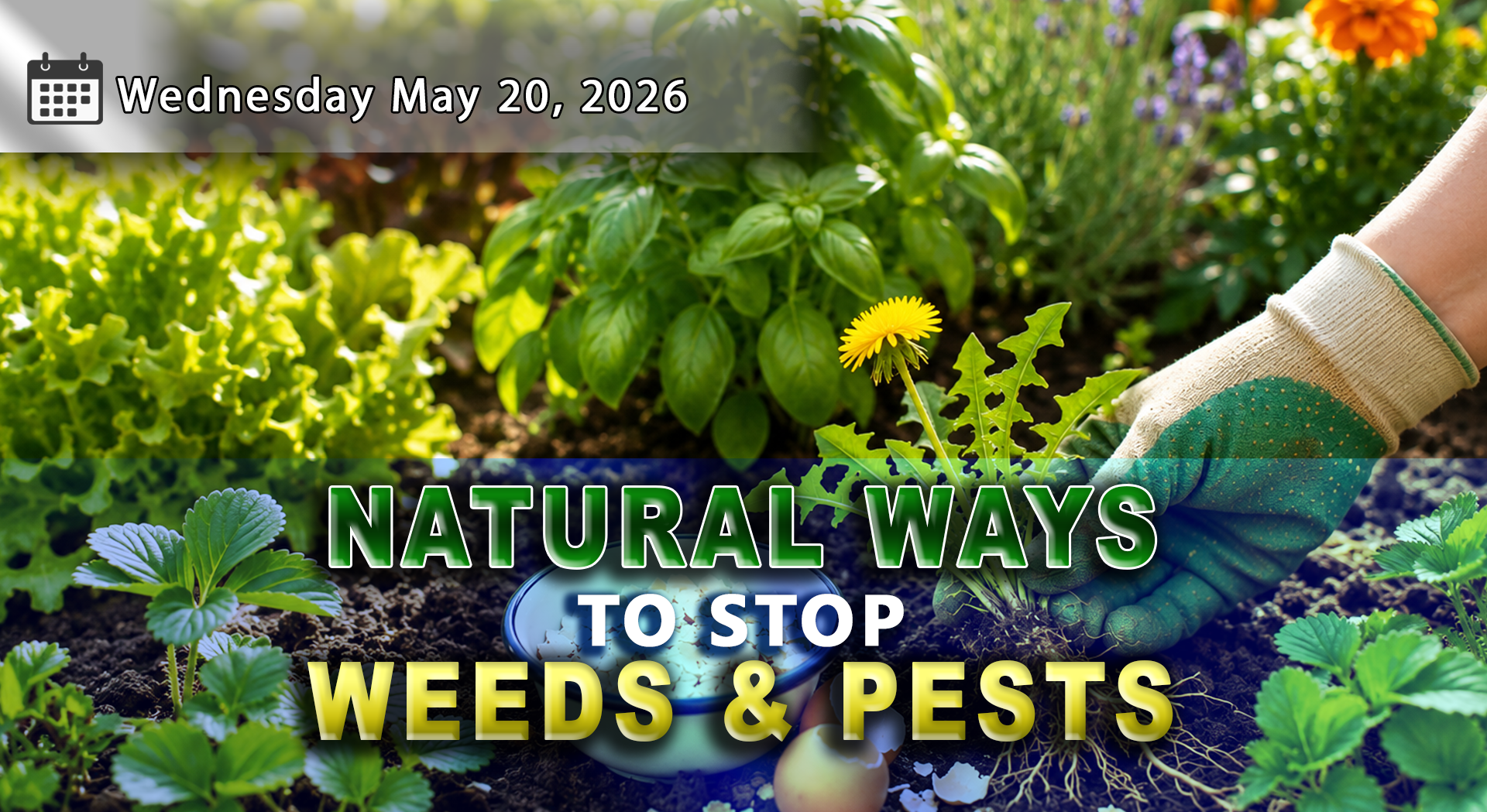
Simple, natural ways to protect your garden and help it thrive all summer long.
Gardening can be one of the most rewarding parts of homeownership. Whether you’re growing vegetables for your family, adding colour to your backyard, or simply enjoying time outdoors, a healthy garden can completely transform your outdoor space.
But as many homeowners quickly discover, weeds and pests can become a frustrating problem during the warmer months. From slugs and aphids to dandelions and crabgrass, unwanted garden invaders can damage plants and make maintaining your yard feel like a constant battle.
The good news is there are many effective ways to manage weeds and pests naturally, without relying on harsh chemicals.
In today’s blog, we’re sharing several simple and chemical-free ways to help keep your garden healthy, productive, and looking its best this summer.
Keep Your Garden Healthy First
One of the best natural defences against pests starts with maintaining a healthy garden overall.
Plants that are stressed, overcrowded, under-watered, or unhealthy are often more attractive to insects and disease. A well-maintained garden tends to be more resilient and naturally better equipped to resist common garden problems.
Regular watering, pruning, harvesting, and proper spacing between plants can make a major difference.
Mix Up Your Plants With Companion Planting
Instead of planting long rows of the same crops, try mixing different plants, herbs, and flowers together throughout your garden.
This technique, commonly known as companion planting, can help confuse pests by introducing different scents, colours, and textures into the garden.
Some excellent natural pest-repelling plants include:
- Mint
- Rosemary
- Basil
- Chives
- Lavender
- Garlic
- Lemongrass
- Spicy peppers
Not only can these plants help deter pests, but they also add flavour, fragrance, and visual appeal to your garden.
Harvest More Frequently
Leaving overripe fruits and vegetables on plants or allowing produce to fall onto the ground can attract insects and wildlife.
Rather than harvesting once a week, shorter and more frequent harvests can help reduce pest activity while also keeping your plants healthier.
This is especially important for vegetable gardens during peak summer growing season.
Encourage Helpful Wildlife
Not all insects and animals are harmful to your garden.
Ladybugs, bees, frogs, toads, spiders, and certain birds can actually help reduce destructive pests naturally. These beneficial creatures feed on insects that commonly damage plants and vegetables.
Pollinators like bees also play a critical role in helping gardens thrive.
Creating a balanced garden ecosystem can often reduce the need for chemical intervention altogether.
Use Natural Deterrents
There are several household items that can help discourage pests naturally.
Some gardeners use:
- Crushed eggshells
- Flour
- Salt
- Beer traps for slugs and snails
These methods can sometimes help reduce insect activity around vulnerable plants without introducing harsh chemicals into the garden.
Protect Gardens From Wildlife
Rabbits, squirrels, deer, birds, and even neighbourhood cats can quickly damage a garden.
Depending on the issue, fencing, chicken wire, or wire cloches can help protect vulnerable plants.
If neighbourhood cats are using your garden as a litterbox, planting catnip away from the garden in a separate pot may help redirect their attention elsewhere.
Mulch Is One of the Best Weed Defences
One of the easiest and most effective ways to prevent weeds is by applying a thick layer of mulch.
Organic mulch can:
- Suppress weed growth
- Help soil retain moisture
- Reduce erosion
- Improve soil health
For vegetable gardens, organic mulch, shredded leaves, or hay are excellent options.
Applying mulch at the start of the season can save countless hours of weeding later.
Natural Weed Removal Options
If weeds are already appearing, there are several chemical-free ways to deal with them.
Vinegar
Vinegar can help kill weeds naturally when sprayed directly onto them. It works best for weeds growing between patio stones or cracks.
Be careful around nearby plants, as vinegar can damage desirable plants too.
Boiling Water
Pouring boiling water directly onto weeds can also be effective, especially for weeds in driveways, walkways, or stone pathways.
Again, caution is important around surrounding plants.
Pulling Weeds by Hand
As simple as it sounds, regular hand-pulling remains one of the most effective long-term solutions.
Removing weeds early before they mature and spread seeds can significantly reduce future growth.
Many gardeners even find it relaxing and therapeutic.
Prepare Your Garden Before Winter
At the end of the growing season, avoid leaving garden beds bare.
After removing spent plants, applying mulch before winter can help protect soil, reduce erosion, and minimize weed growth the following spring.
This simple step can make spring gardening much easier.
Final Thoughts
A beautiful garden does not require harsh chemicals to stay healthy and productive.
With consistent maintenance, smart planting strategies, natural deterrents, and a little patience, you can reduce weeds and pests while creating a healthier outdoor environment for your family, pets, and pollinators.
Gardening should feel relaxing and rewarding – not stressful.
And sometimes, the simplest natural solutions are the most effective ones.
Thinking About Improving Your Outdoor Space?
• Curious which outdoor upgrades can improve your home’s enjoyment and value
• Looking for simple ways to make your backyard more functional and inviting
• Thinking about buying or selling a home with great outdoor living potential
[Thinking About Your Home?]
Your outdoor space is an extension of your home. Small improvements and consistent maintenance can make a big difference in how you enjoy it all season long.
This article was inspired by a REALTOR.ca article written by Brittany Stager for REALTOR.ca.
Thanks For Reading Today’s Blog!

Brian Kondo
Sales Representative / Team Leader
The Brian Kondo Real Estate Team
Re/Max Hallmark First Group Realty Ltd.
905-683-7800 office
905-426-7484 direct
brian@briankondo.com
www.BrianKondo.com
www.BrianKondoTeam.com
If you or anyone you know is considering making a move in the next little while, give me a call or pass on my number ... 905-683-7800 (Office) or 905-426-7484 (Direct).
If you would like to see any of my previous blog posts, please click here!